By: Saivikram (Vikram) Madireddy MD
About the Author:
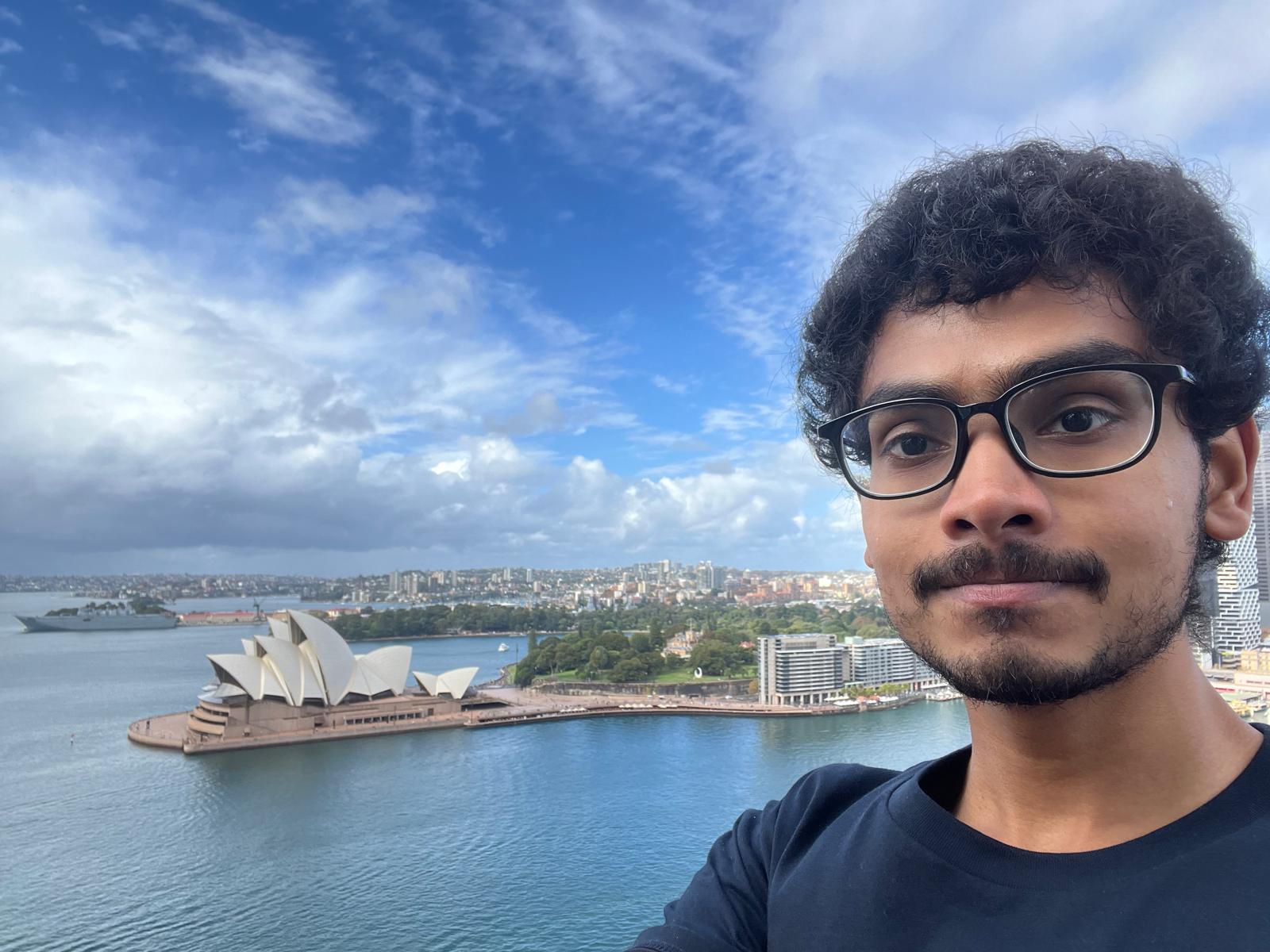
Dr. Vikram Madireddy (he/him) is a first-generation American of Indian descent, born and raised in New York City, who received his medical degree (MD) from the University of Tennessee. He is currently working on his PhD in neuroscience at the University of Tokyo School of Medicine in Japan, focusing on neural circuits and language plasticity after learning Japanese whilst in medical school. Additionally, he passed the exams to obtain a license to practice medicine in the United Kingdom. He is hoping to divide his time between the UK and Japan in the future as a physician-scientist in neurology. The idea to circumnavigate the world to study medicine as a final year medical student came after years of reading about the history of medicine and consulting other nations’ medical resources to improve his own clinical practice, against the backdrop of the COVID 19 pandemic that effectively shut the planet down during his first year of medical school.
The medical nomad
Like everyone who donned the white coat and stethoscope before me, I joined the medical profession to serve others on the worst days of their lives, and possibly to find new ways to improve the field, for both the patients and the doctors who come long after I’m gone. I never thought that journey would literally and figuratively take me farther than I would ever have thought possible, to the far-flung corners of the planet, pushing my skills to their limit, as well as acquiring new ones, along with new friends and mentors, and thus forever dub me, “The Medical Nomad.”
In my home country of the United States of America, it is no secret that healthcare leaves much to be desired, for both patients and the doctors who treat them. This recently reached a boiling point, when in the winter of 2024, the CEO of a health insurance company was gunned down on the streets of my native New York City in an alleged assassination [1]. Critics of the system will vigorously argue that it turns what ought to be a basic human right into a soulless profit-driven business that only worsens health outcomes in a nation already plagued by public health crises, from opioid addiction to the obesity epidemic. Defenders, meanwhile, will counter that the free-market promotes competition, driving innovation and improvements that benefit everyone, including our European counterparts who are some of the biggest proponents of socialized medicine.
Growing up and being educated in this system, it is my opinion, that it is at least a double-edged sword, which became all the more apparent attending medical school in Tennessee in the deep southern United States, colloquially referred to those in the know as the “Stroke Belt”, due to the high incidence of neurovascular disease in the region. Moreover, the urban-rural divide is just as apparent in the quality of medical care available out there. Coming from New York City, the culture shock of Southern hospitality also caught me off guard but would be nothing compared to what would come in my final year.
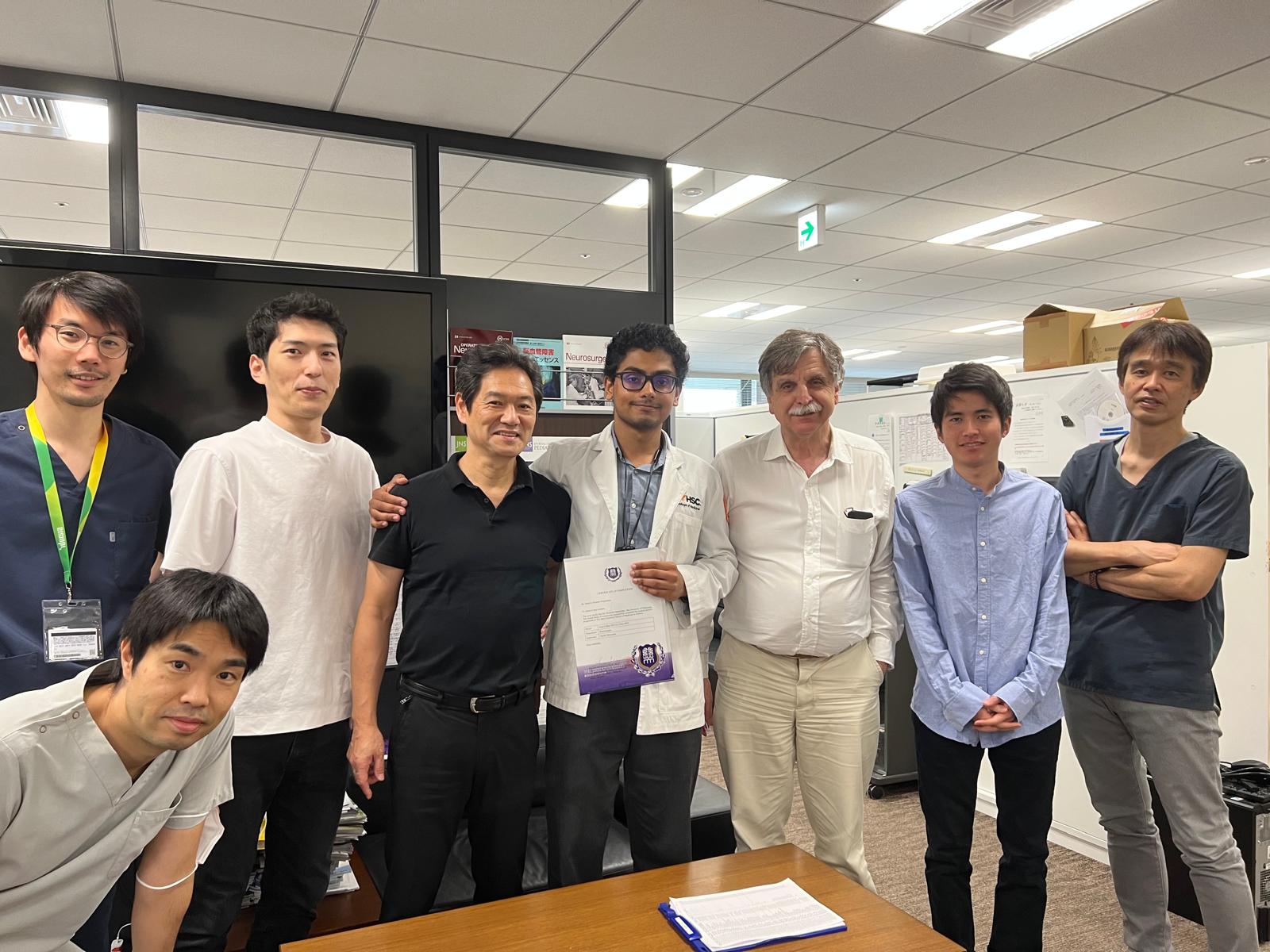
I began the final year of medical school in Tokyo, Japan, after being invited by a Japanese university to learn endovascular techniques with some of the best in the field, and dive deep into medicine from a non-Western perspective. From the first day, I was made to feel like a valued member of the team, by patients, supervisors, and the local Japanese medical students. We keep in touch online, teaching each other Japanese and English. During my time with them, I was exposed to neurological diseases and practiced procedures that until then, I’d only seen in textbooks or videos. Moyamoya disease, for example, is rare in America, but I was able to witness 3 cases in Tokyo. For another one of our patients who had a distal ICA aneurysm (swelling of the main artery supplying the brain) requiring an endovascular coil with a stent (to bypass the abnormality in the vessel), I was able to witness a rare intraoperative bleed and assist with the procedure. Spending time with them up close and personal, I was able to see how ancient traditions blend seamlessly with modern technology.
The Japanese have some of the best medical imaging capabilities in the industry, as this is the same nation responsible for Nintendo and Playstation, but I was also able to see how Bushido, or Samurai Code, lives on in these “medical warriors.” From patient interaction to performing operations in the theatre, the virtues of duty, respect, compassion, and so forth permeate every aspect of their routine [2]. In Japan, doctors are trained to be involved in almost every aspect of their patient’s care, such as being able to interpret their own imaging orders or perform their own bedside tests, whereas those same procedures would be delegated in the states to a technician or specialist. From my counterparts in Tokyo, I even learned of a concept unique to Japanese medicine known as “Shinmi.” Guided by this additional virtue, doctors in Japan try to connect emotionally with their patients as though they were their own family [3]. Many in the West have tried to replicate this, but it is almost impossible for someone not in the know to perfect.
After saying farewell to the far East, I headed West again, this time to Europe, particularly the United Kingdom with a brief side stop in Germany. I started in London, where I saw the stark contrast between the American and British systems. In the UK, doctors need to make the most of the limited resources available in the single-payer system, emphasizing the importance of the patient’s history and interview before any tests or imaging, as I experienced firsthand. One case that stood out was a 36-year-old female originally from Cyprus, who presented with bilateral INO, ataxia, and spasticity (impaired ocular movement, dizziness, and muscle spasms on both sides of her body). My first thought was multiple sclerosis (MS), but after diving further, we found a history of psychosis and cognitive decline. After further testing ruled out MS, it was discovered she had TTC19 deficiency, a rare neurogenetic disorder. I had never even heard of the disease until then, but after spending more time with them, I soon found myself getting more clinical experience in neurogenetics, and seeing why engaged listening and taking a thorough opening history from any patient always matters.
Before leaving the UK and Europe, I hopped on a plane to Germany to present my research at an international conference, but also to meet up with my German counterpart, a final-year medical student at the world-famous Charite Hospital, who gave me a personal tour of his hometown Berlin, as well as a crash course in German medicine, and how they actually created the first modern medical insurance system back in 1883, laying the framework for healthcare as we know it today. Ironically, Otto von Bismarck, the iron chancellor, created the health and disability acts in the 1880s to quash his socialist political opponents, but ultimately created the basis for the medical and social safety nets Europe and much of the world still rely upon [4]. At each stop on this world tour of medicine, my clinical knowledge of medical diagnosis and treatment options, cultural competency, and number of friends would only continue to grow.
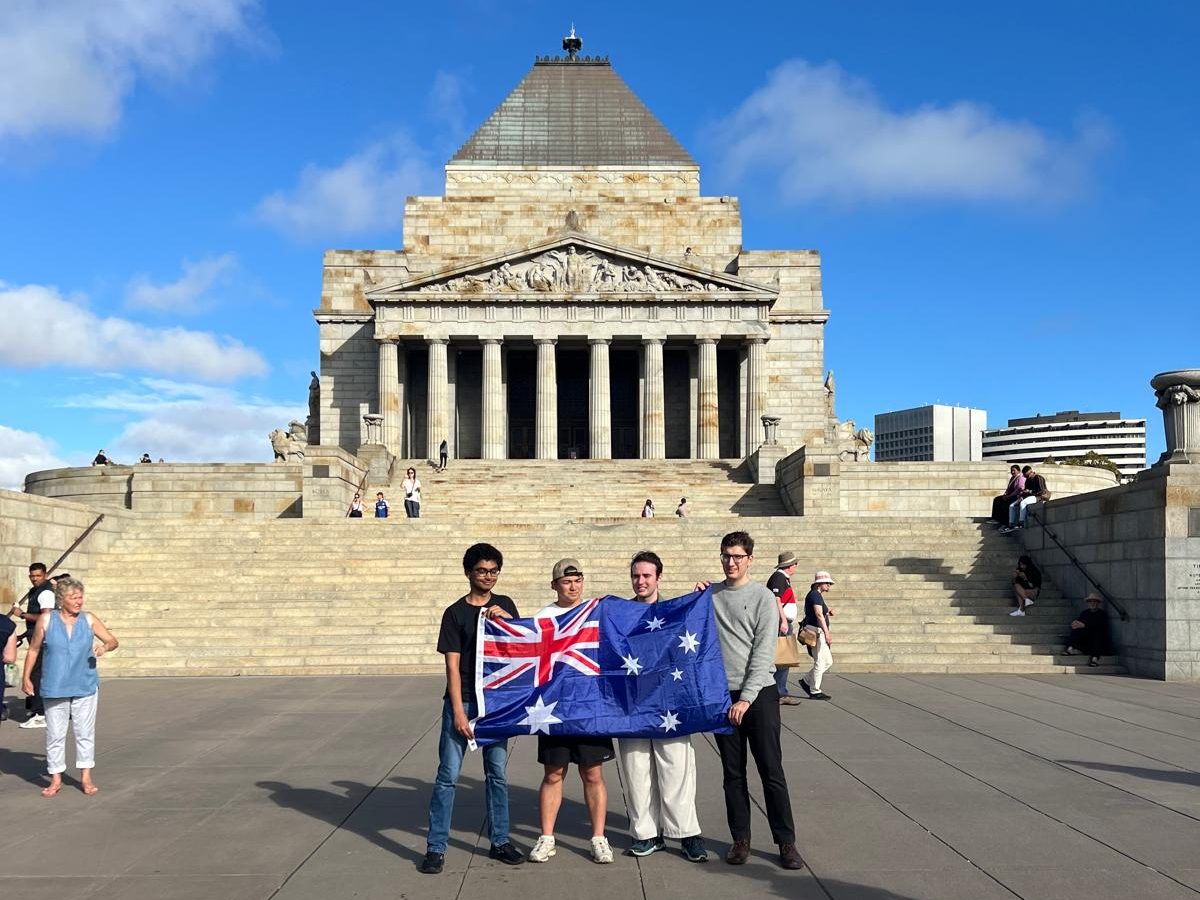
But my journey was not yet over. I had one more continent to explore before heading home for graduation. This time, I headed to the southern hemisphere, to the land down under- Australia, and traded the safety and comfort of the hospital for an ambulance with wings. I grew up in the largest city in the United States, where everything is readily available, and then thought rural medicine in Tennessee was extreme, but Australia pushed that idea beyond the breaking point, with its unforgiving environment and diseases that can’t be found anywhere else.
One such case that I witnessed was a follow-up for Murray Valley Encephalitis (MVE), which I remember quite well. The patient grew up in the outback, where access to healthcare is scarce, and wound up getting infected via mosquito bite. Since the 1980s, he has been wheelchair bound and has difficulty with long-term memory. It was a sobering reminder of the importance of preventative medicine in addition to a rare and unique learning opportunity. For many in Australia, the Royal Flying Doctor Service is the lifeblood of the nation, sometimes literally [5]. Before getting on the final plane back to the states, I made a quick stop in Melbourne to see some more of these neuroinfectious diseases, and their long-term impact on the patients’ minds as well as their lives.
Finally, 5 months, 24,000 miles, and 4 continents later, I at last made it home, and had one heck of a story to tell – one of the few if not only medical circumnavigations and too many cases in between to count. It is one thing to read about a case, and another to live it, immerse oneself in it, and become invested in it. There was life before the circumnavigation, and life after as I’m realizing. One thing is certain – this vast web of disease, knowledge, and shared experience binds us in ways we can only begin to realize. To say medicine is a continuous collaborative effort, both locally and globally, is now an understatement. Before the journey, they were simply words. Now, they carry as much as the miles travelled. Any patient I see going forward will be a beneficiary of that and will also be added to that collection. The question becomes where and when I may see them. From New York to London, or even Tokyo or Berlin, the medical nomad eagerly awaits his next case.



References
- Office for Public Affairs (2024). https://www.justice.gov/archives/opa/pr/luigi-mangione-charged-stalking-and-murder-unitedhealthcare-ceo-brian-thompson-and-use
- Nishigori H, Harrison R, Busari J, Dornan T. Bushido and medical professionalism in Japan. Acad Med. 2014 Apr;89(4):560-3. doi: 10.1097/ACM.0000000000000176. PMID: 24556758; PMCID: PMC4342315.
- Ozeki-Hayashi R, Wilkinson DJC. Shinmi (): a Distinctive Japanese Medical Virtue? Asian Bioeth Rev. 2023 Nov 4;16(4):563-573. doi: 10.1007/s41649-023-00261-6. PMID: 39398457; PMCID: PMC11465113.
- Tulchinsky TH. Bismarck and the Long Road to Universal Health Coverage. Case Studies in Public Health. 2018:131–79. doi: 10.1016/B978-0-12-804571-8.00031-7. Epub 2018 Mar 30. PMCID: PMC7149836.
- Langford SA. The Royal Flying Doctor Service of Australia. Its foundation and early development. Med J Aust. 1994 Jul 4;161(1):91-4. PMID: 7832837.





Leave a comment