Northern Nigeria, with its potential, needs all the help it can get to feed not just itself, but the country, Africa, and the world.
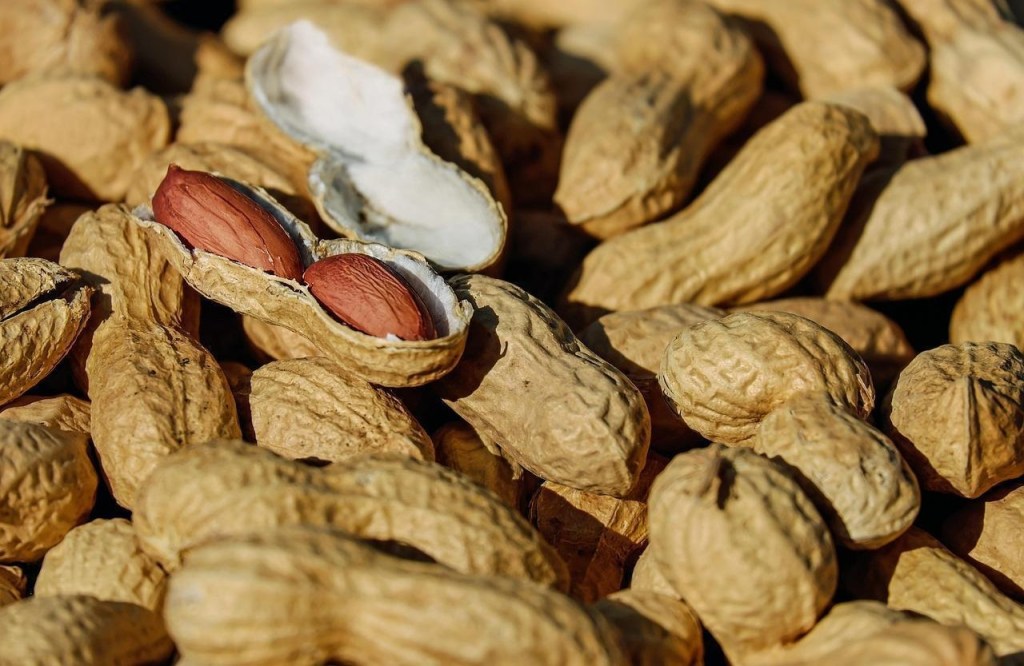
Northern Nigeria feeds its Southern sister. Its vast arable land, rainfall pattern, and rural agrarian population make it a major exporter of vegetables, grains, pulses, and tubers to urban states in the South (1). Its agricultural dominance goes as far back as the sixties, where, at the height of Nigeria’s agricultural exports, Kano was famed all over for its Peanut Pyramids: tourist attractions and testaments of its might. (2)
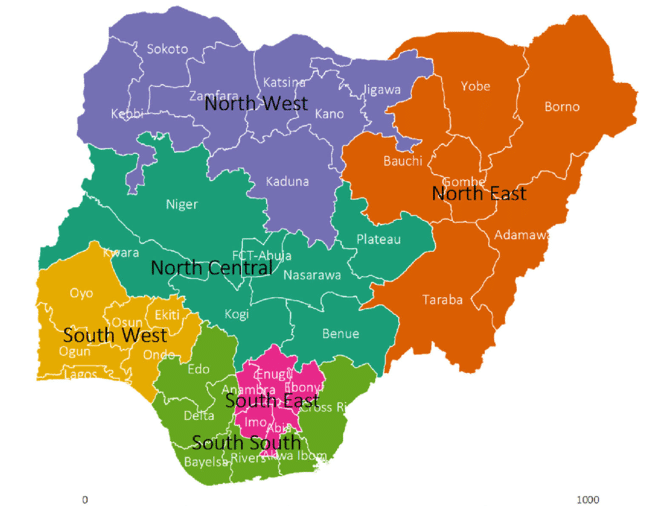
Sadly, this reality exists with an ongoing hunger crisis in the region. Insurgencies, herder-farmer clashes, internal displacement, and climate shocks have left more than 20 million people in the region vulnerable to acute hunger. (3) To make things worse, recent USAID cuts have left more than 60,000 children at risk of death from severe malnutrition. (4)
In the past weeks, I have read reports from major outlets on the impact of USAID’s cuts on malnutrition programs in the region. The reports are real and alarming, but there is a framing I hope to draw our attention to. It seems to me that every foundation/journalist has made a case for Northern Nigeria from a position of need. This is not a bad thing; there is an urgency to fill the gaps left behind, beneficiaries are stranded, and there are risks of losing lives and years of cumulative results.
But if we have agreed that now, more than ever, interventions in the Global South must be sustainable and evolve past aid, why aren’t we making a case from a position of strength and potential? This circles back to the question: how can we help Northern Nigeria rise in agricultural strength?
Here are some questions to consider:
What if therapeutic foods are locally sourced?
This is not a far-fetched idea. I was pleased to read about UNICEF’s partnership with Pristine Foods Limited, a Ugandan company that provides powdered and liquefied eggs to malnourished children in East Africa. The company, which employs 50 people and generates a yearly revenue of $1.6 million, is set to deliver egg sachets to 50,000 children in East Africa by the end of the year. By 2030, the company aims to reach 6.8 million children in Uganda. (5)
What if farmers in Northern Nigeria are given the same opportunity to provide the soy and peanuts required for ready-to-use-therapeutic-foods (RUTFs)? If farmers in the North-East, the epicenter of insurgency and climate shocks, are unable to produce these ingredients, what if farmers in the North-West and North-Central are contracted? Such partnerships will boost the local agricultural economy, creating sustainable positive spillovers.
What if international partners made more investments in large-scale mechanized farming?
Nigeria needs more investments in large-scale mechanized farming. At present, more than 70% of farming in the country is at the subsistence level. This sort of farming is not only unable to match the requirements for food security and livelihoods, but it is also extremely vulnerable to climate shocks. (6)
Nonprofits have typically focused on community/homestead gardens, but these interventions have had little to no impact on food security and household income. Beneficiaries have also reported difficulties with irrigation, pests, seed quality, and fragmented technical support. (7)
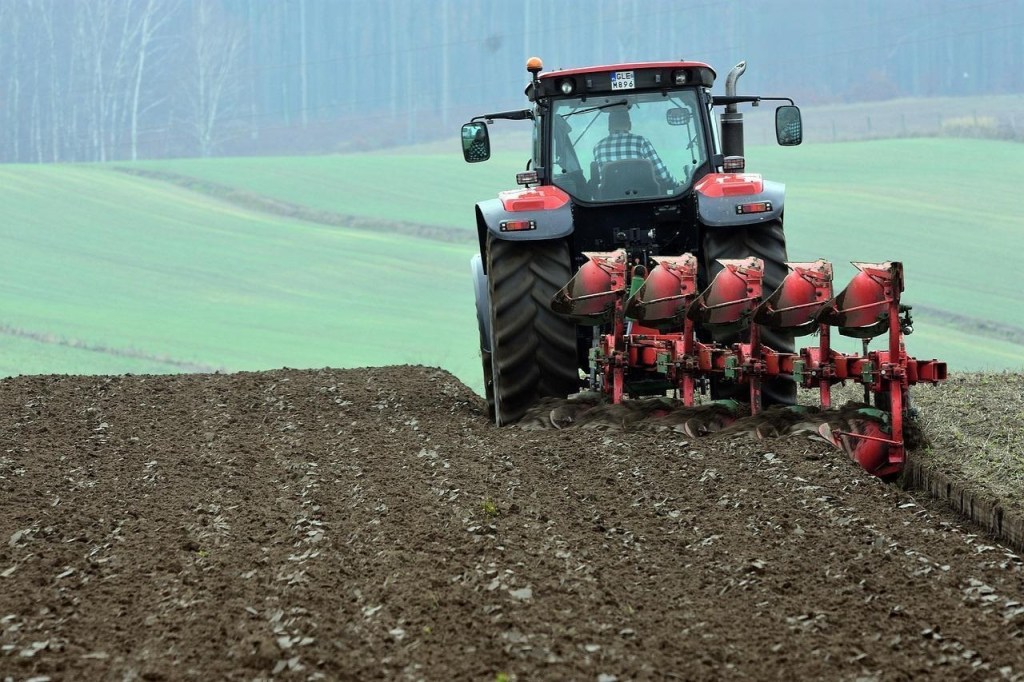
What if international partners (non-profits included), rather than scaling smallholder farms, scaled mechanized farming? This may require that more resources be targeted at a narrower set of people, but the impact on food security will be greater. It will also boost agricultural productivity, create opportunities in the processing and supply chain ecosystems, and increase income.
To put this in context, although Northern Nigeria produces food, its people are unable to buy the food they produce. Why? As Zuhumnan Dapel argued, “more than 25 million people (22% of the population) in the North are unable to spend roughly N200 (US$0.48) per day on food, compared to just 4 million (4% of the population) in the South.” (8)
Productivity is a sustainable driver of consumption; we all know this. The question is, how do we scale agricultural productivity in this region and maximize the region’s potential to feed not just itself, but the country, Africa, and the world?
References
1. Chiaka JC, Zhen L, Yunfeng H, Xiao Y, Muhirwa F, Lang T. Smallholder farmers contribution to food production in Nigeria. Frontiers in Nutrition. 2022 Jul 28;9:916678.
2. Oriire. The Former Kings of Nigeria’s Economy: Cocoa and the Groundnut Pyramids. 2024 Oct 7. Available from:
https://www.oriire.com/article/the-former-kings-of-nigerias-economy-cocoa-and-the-groundnut-pyramids
3. World Food Programme. Nigeria. 2025.
Available from: https://www.wfp.org/countries/nigeria
4. Helen Keller INTL. NPR: Cuts to Helen Keller’s Nutrition Work in Nigeria Worsen Hunger Crisis. 2025 Jul 31. Available from:
5. DEVEX. Can a powdered egg a day keep malnutrition away? Uganda thinks so. 2025 July 21. Available from:
https://www.devex.com/news/can-a-powdered-egg-a-day-keep-malnutrition-away-uganda-thinks-so-
6. FAO. Nigeria at a glance. 2025. Available from: https://www.fao.org/nigeria/fao-in-nigeria/nigeria-at-a-glance/en/
7. Nhlengethwa B, Singwane SS, Mabaso SD, van Zuydam IB, Mamba SF. Assessment of Socio-economic Impacts of the Climate Smart Gardens Project in Low Income Residential Areas in Mbabane City, Eswatini.
8. The Conversation. Nigeria’s food inflation: losers, winners and a possible solution. 2021 Nov 24. Available from:
https://theconversation.com/nigerias-food-inflation-losers-winners-and-a-possible-solution-172313


Leave a comment